
Halloween candy for dogs: What you need to know |
Understanding dog candy poisoning and chocolate toxicity in dogs |
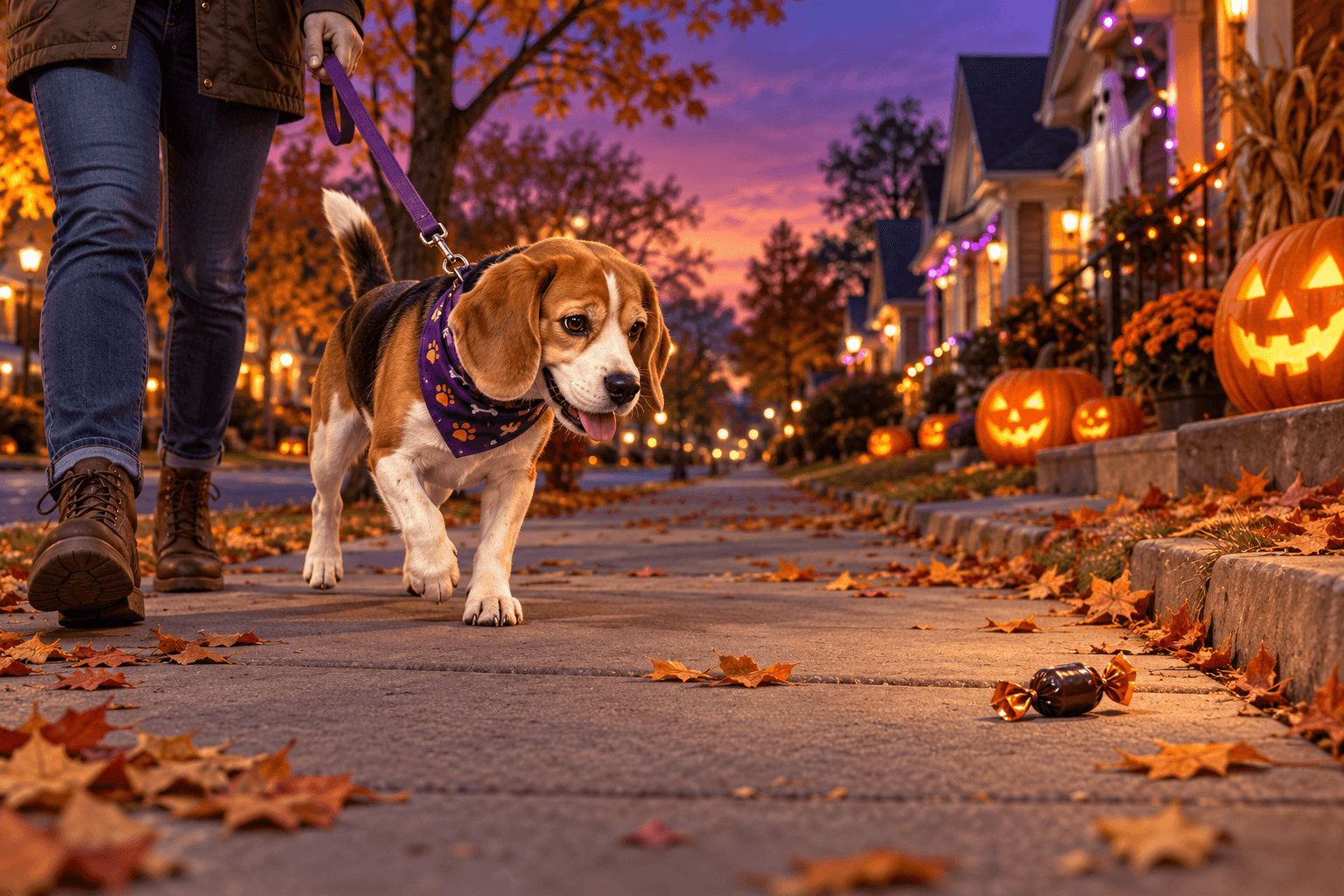
Halloween candy for dogs may sound like a festive treat, but the safest choice is to keep the trick-or-treat haul for humans.
Between doorstep candy bowls, party leftovers and wrappers dropped along neighborhood sidewalks, curious dogs have plenty of chances to grab something harmful.
Chocolate is a particular concern because dogs cannot process its theobromine and caffeine as people do.
Dark chocolate and baking chocolate generally pose greater risks than milk chocolate, but even a small bar deserves a call to your veterinarian.
A dog’s size, the type of chocolate and the amount eaten all matter when assessing chocolate toxicity in dogs.
Vomiting, diarrhea, restlessness and increased thirst can be warning signs, while tremors, an abnormal heartbeat or seizures demand urgent care.
Chocolate is not the only danger hiding in the Halloween stash.
Some sugar-free candy and gum contain xylitol, sometimes labeled birch sugar, which can cause a dangerous drop in a dog’s blood sugar.
Raisins can cause serious kidney injury, and candies containing them should stay out of reach.
Even candy without a toxic ingredient can upset a dog’s stomach, while hard sweets, sticks and wrappers present choking or blockage risks.
The safest response is not to wait for symptoms.
If you suspect dog candy poisoning, move the remaining sweets away, check the packaging and contact a veterinarian or emergency veterinary clinic promptly.
Be ready to share your dog’s weight, what may have been eaten, approximately how much is missing and when it happened.
Do not try to make your dog vomit unless a veterinary professional tells you to.
For households welcoming trick-or-treaters, a little preparation can prevent a frightening late-night trip.
Keep candy in a closed container beyond your dog’s reach, and check floors and walkways after guests leave.
If your dog joins the neighborhood festivities, watch for discarded treats on the pavement.
Offer a familiar dog treat instead, so your four-legged companion can share in the fun without sharing the candy. |
0 Comments
Join the conversation
Be the first to comment
Share your thoughts above.