Halloween candy for dogs: What you need to know
Halloween candy for dogs can pose serious risks. Learn which treats to avoid, signs of poisoning and when to call a veterinarian.

Neal Brackett, DVM
Oct 19, 2026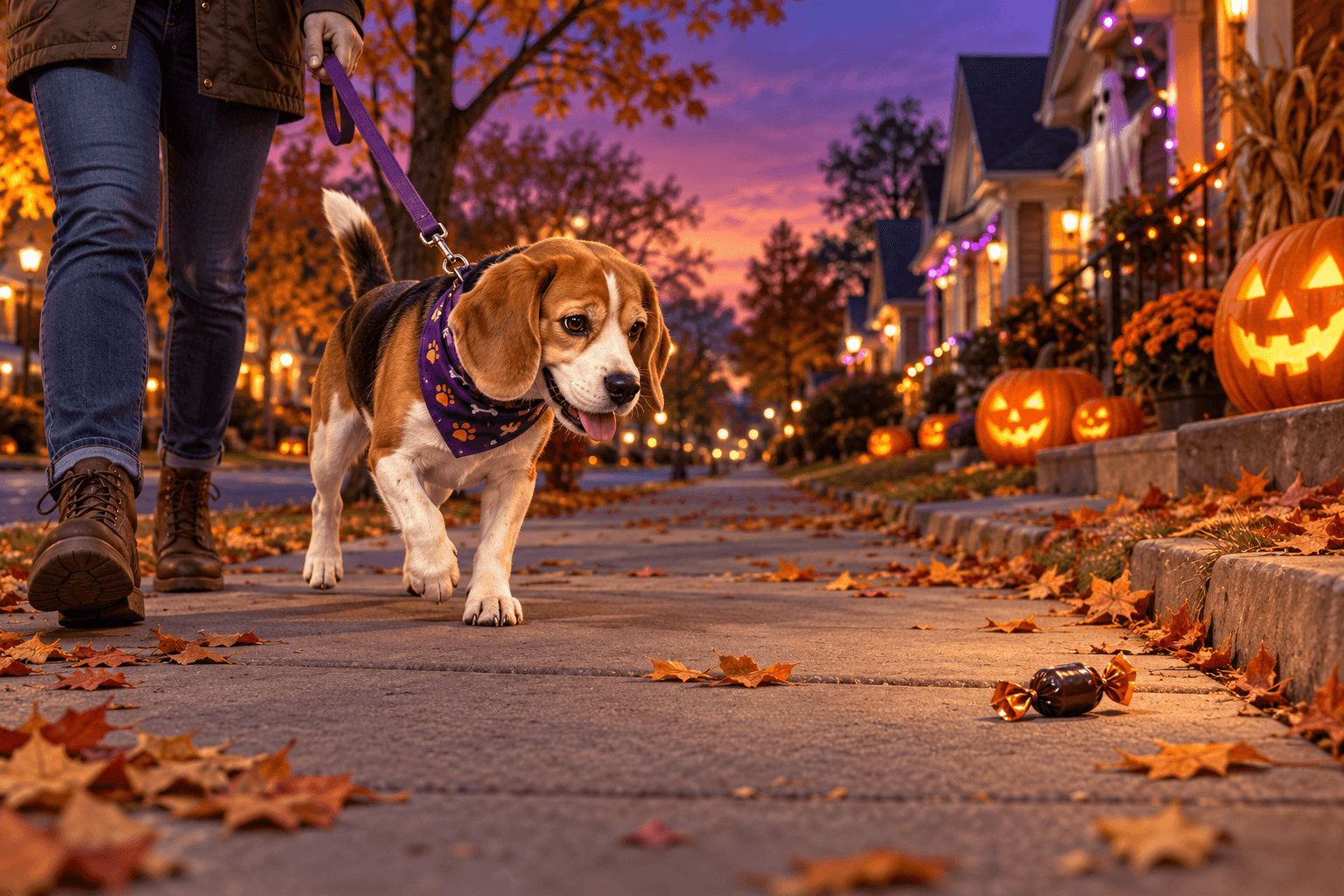
Halloween candy belongs to trick-or-treaters, not dogs.
Doorstep bowls, party leftovers and dropped wrappers can put tempting—and dangerous—treats within reach.
Chocolate is especially concerning because dogs cannot process its theobromine and caffeine the way people can.
Dark and baking chocolate generally pose the greatest risk, but any suspected chocolate ingestion warrants a call to your veterinarian.
Vomiting, diarrhea and restlessness may be warning signs; tremors, an abnormal heartbeat or seizures require urgent care.
Other Halloween hazards include xylitol, a sweetener in some sugar-free candy and gum, and raisins, which can cause kidney injury.
Hard candy and wrappers can also cause choking or blockages.
Do not wait for symptoms if your dog gets into candy.
Check the packaging and promptly tell a veterinarian what your dog ate, how much and when; do not induce vomiting unless instructed.
Keep candy secured, check walkways for dropped treats and offer your dog a familiar pet-safe snack instead.