
How Dog Time Perception Works Through Daily Routines |
Connecting daylight saving time with the canine circadian rhythm |
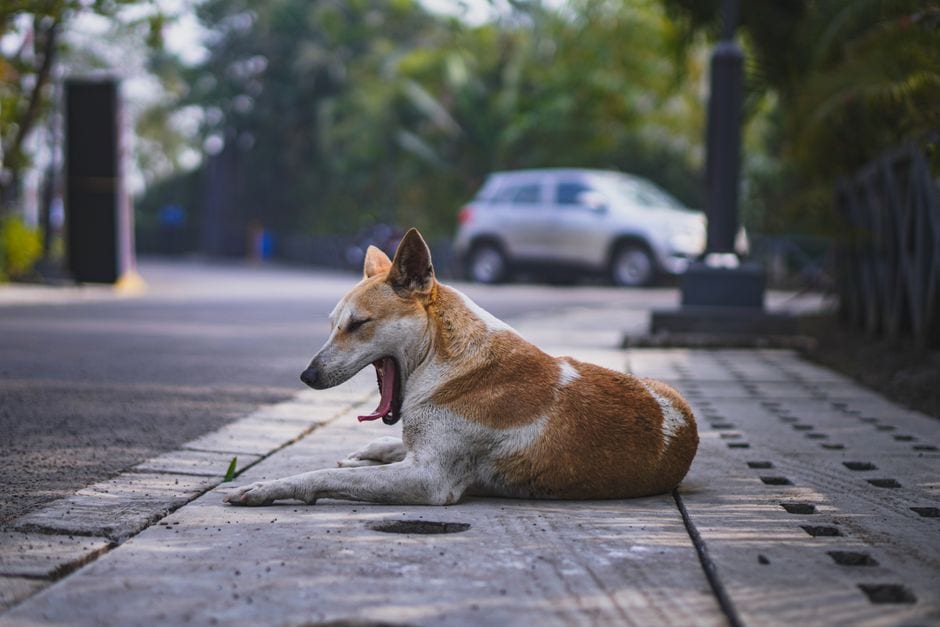
The hour on the wall may jump, but the dog at your feet is still running on yesterday's rhythm.
That mismatch is the quiet drama behind dog daylight saving time, and it plays out in kitchens long before anyone debates whether the clock change was worth it.
What looks like stubbornness is usually dog time perception doing exactly what it evolved to do.
A canine circadian rhythm does not consult human policy.
It tracks light, scent, hunger, and the familiar shuffle of a household waking up.
When those signals stay put and the schedule suddenly slides, confusion is the reasonable response.
Animal behavior specialists have long noted that dogs register brightening and darkening more reliably than any numeral on a screen.
Watch a dog position itself by the door as afternoon light thins, and the pattern becomes hard to dismiss.
Scent may do even more of the work.
Odors fade steadily after a person leaves, giving dogs a rough measure of the wait.
That is one reason greetings grow louder after a long day than after a quick errand.
Traffic noise, the clink of a leash, and the smell of a meal being prepared all stack into a private timetable.
Neighbors often notice the same porch vigil at nearly the same minute each evening.
Hunger and the need to go outside grow more urgent with time, which is why a late dinner draws a pointed stare.
None of this is clock reading, and dog time perception never needed a dial.
Daylight saving time leaves those natural cues untouched while human routines lurch forward or back.
The sun still rises on its own schedule.
The food bowl, suddenly, does not.
When clocks fall back, breakfast can arrive later than a dog expects, and some animals will campaign for it with impressive persistence.
The shift is usually a mild disruption rather than a crisis.
Most dogs settle within a few days, though sensitive pets may need closer to a couple of weeks.
Families who travel across time zones often see the same pattern: the dog tracks the people, not the wall clock.
Household activity is frequently a stronger cue than daylight alone.
Shifting meals, walks, and bedtime by about fifteen minutes at a time gives the canine circadian rhythm room to catch up.
Patience matters more than precision.
Dogs have no briefing on why the evening suddenly feels longer or shorter.
They only know that a trusted routine blinked.
If work forces an abrupt new departure time, steady food, exercise, and company still carry most of the adjustment.
Springing ahead can even look like a windfall, with breakfast arriving early and no complaint filed.
The sharper point is simpler.
Dog daylight saving time is less about clocks than about trust in a daily pattern.
Protect that pattern, and the hour change becomes a brief wobble instead of a household standoff. |
0 Comments
Join the conversation
Be the first to comment
Share your thoughts above.